
Route 01
The long way
Masonry oven, tahona, fibre in the ferment, copper pot twice. The most traditional route available, and the heaviest, earthiest glass of the set.


The Agave Evolution
Sapiens Tequila is intended for adults of legal drinking age in their country of residence.
By entering you accept our Terms of Use and Privacy Policy.
Please enjoy Sapiens responsibly. Never share with minors.
The concept
Sapiens is not one recipe. It is the idea that a tequila is a chain of decisions — and that every decision leaves a mark you can taste.
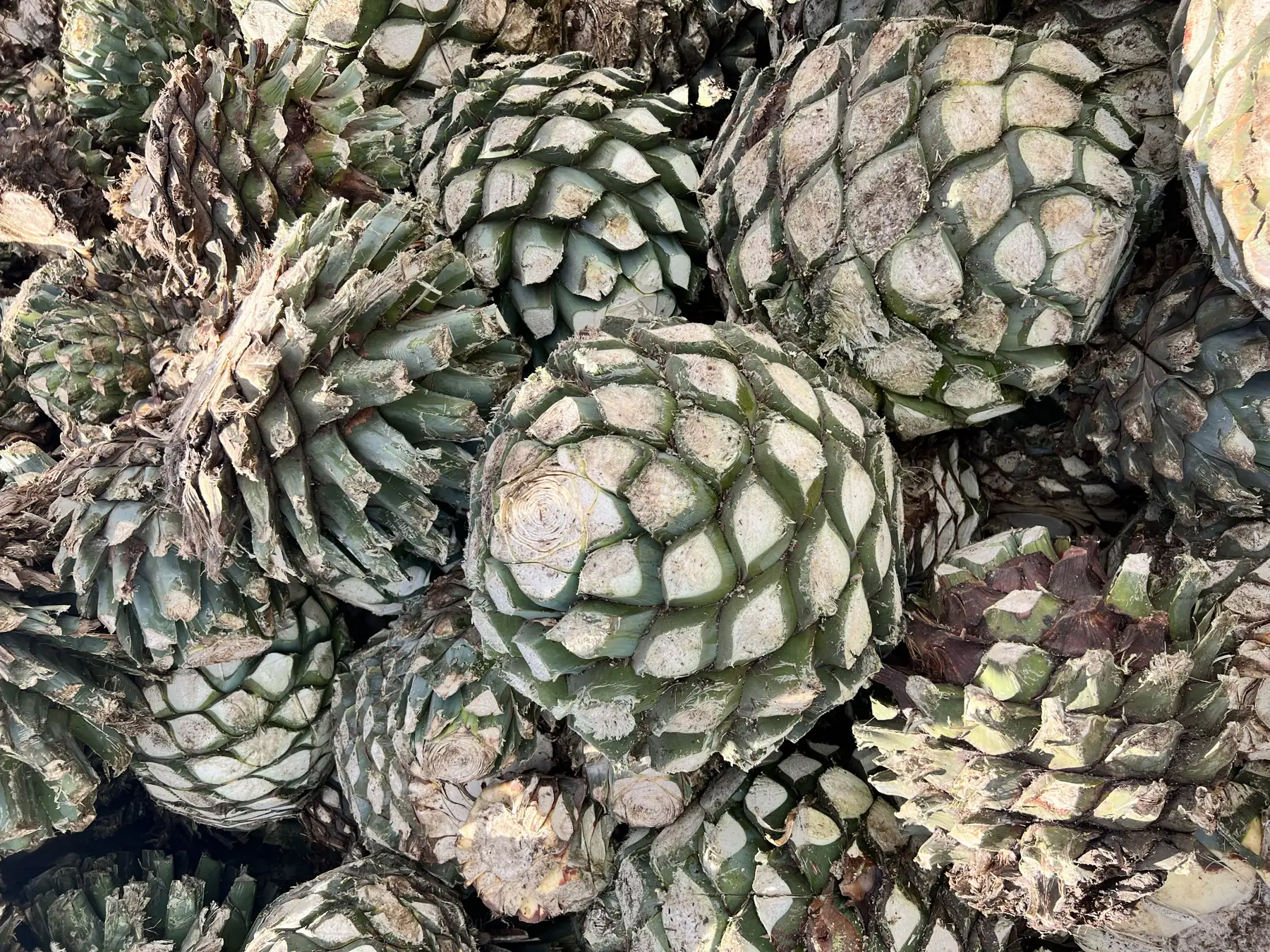
Two distilleries can start from the same field, in the same year, with the same plant, and finish with two spirits that share almost nothing. Not because one of them cheated. Because at every step there was a choice, and they chose differently.
The category tends to argue about which choice is the correct one. We think that is the wrong argument. A masonry oven is not morally superior to an autoclave; a tahona is not a certificate of quality. They are instruments. They do different things to the same agave, and they always have.
What matters is that you get to taste the difference and decide for yourself. That is the whole point of the name: sapiens is not the one who knows the answer. It is the one who tries, compares and forms a judgement of their own.
Build a blanco
Pick a route through the process and watch the profile move. None of this is a ranking — it is simply what each method tends to do to the agave.
Already in the bottle
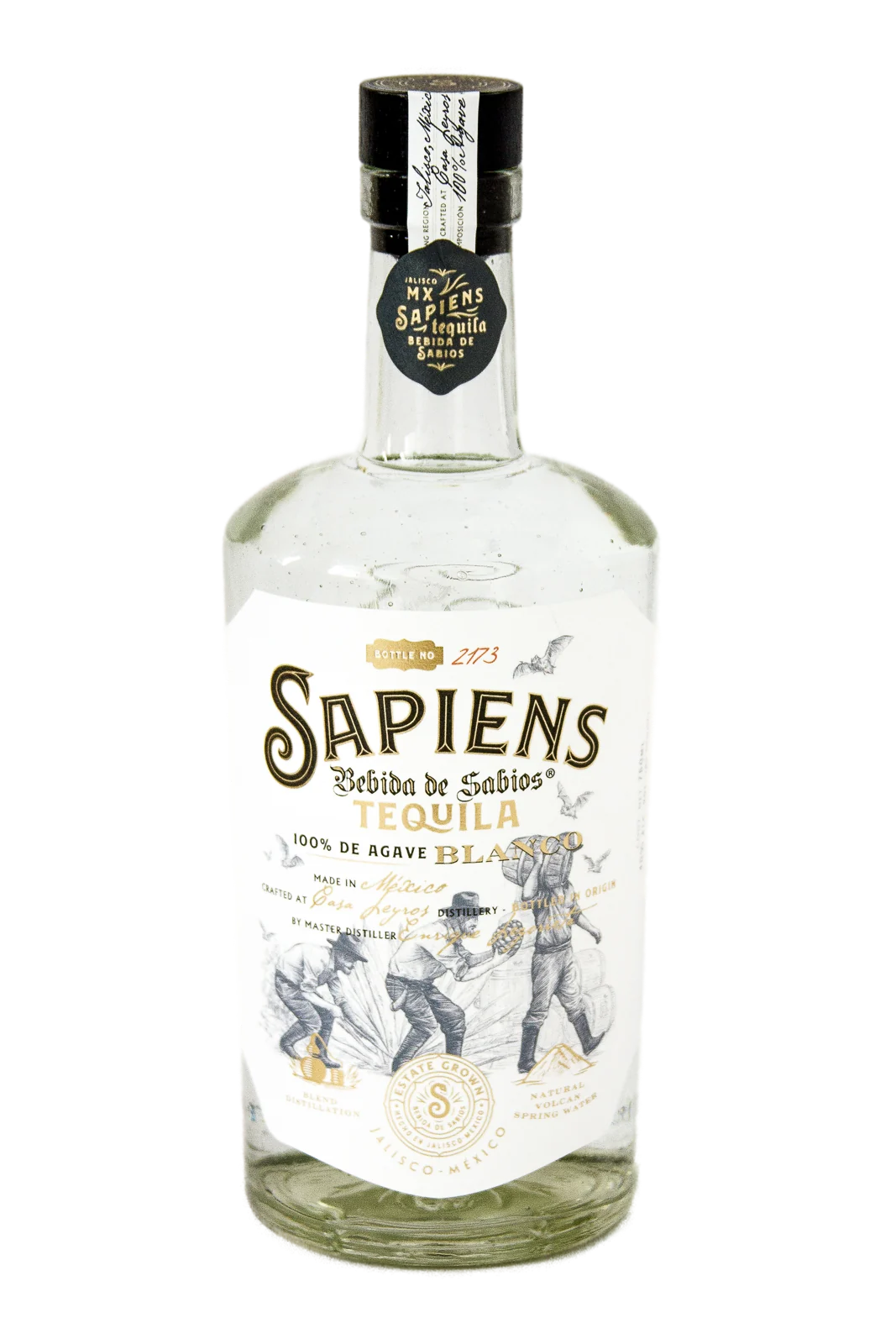
Sapiens Blanco Serie 1 is the first expression of the series, and the one you can buy today. Load its route into the panel.
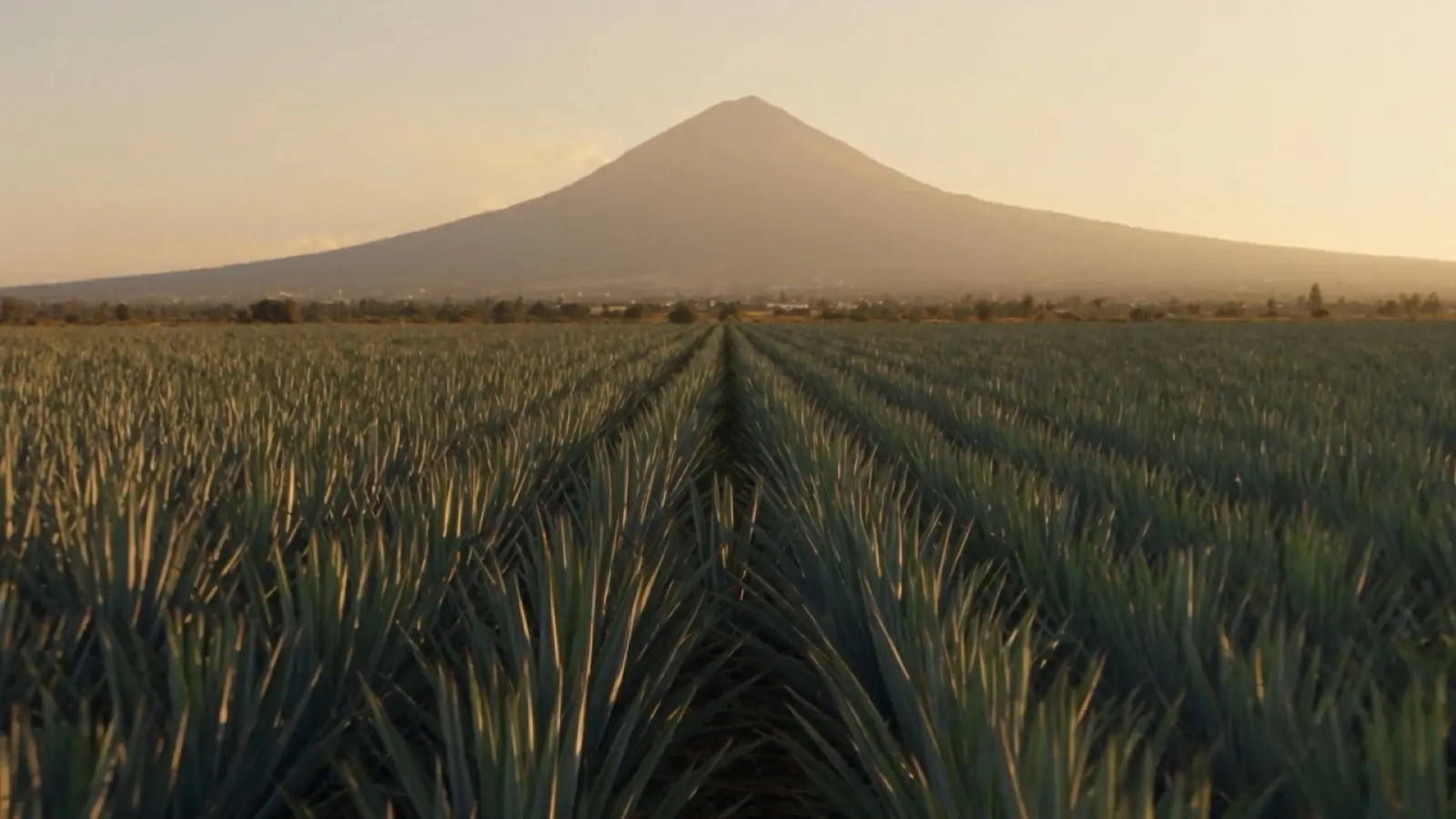
Volcanic, mineral soil around the Tequila Volcano. The agave tends to arrive more herbal and peppery, with a stony edge. Where Sapiens is made.
Iron-red earth, higher and cooler. Bigger, sweeter piñas and more citrus and flower in the glass. Also inside the appellation.
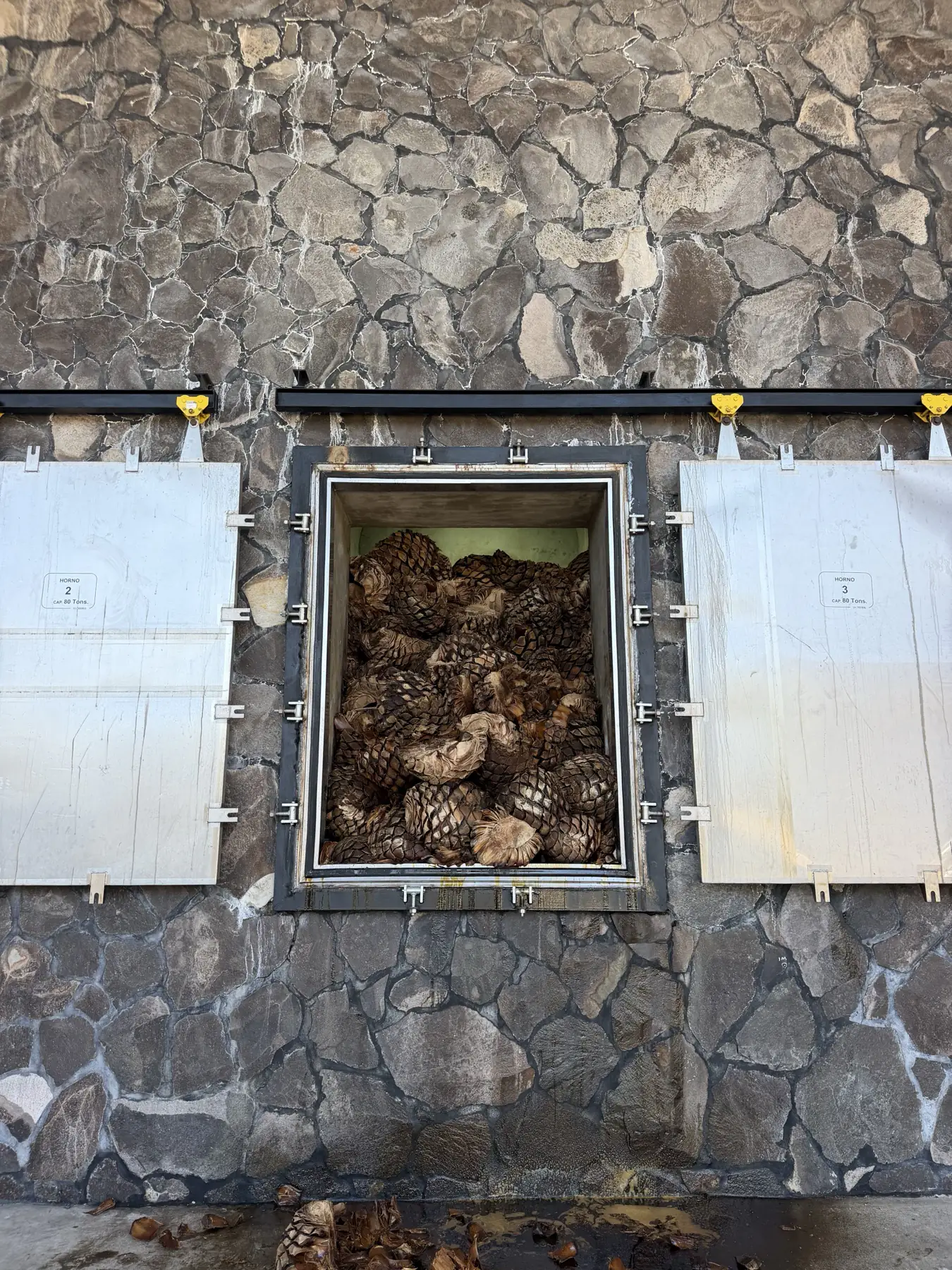
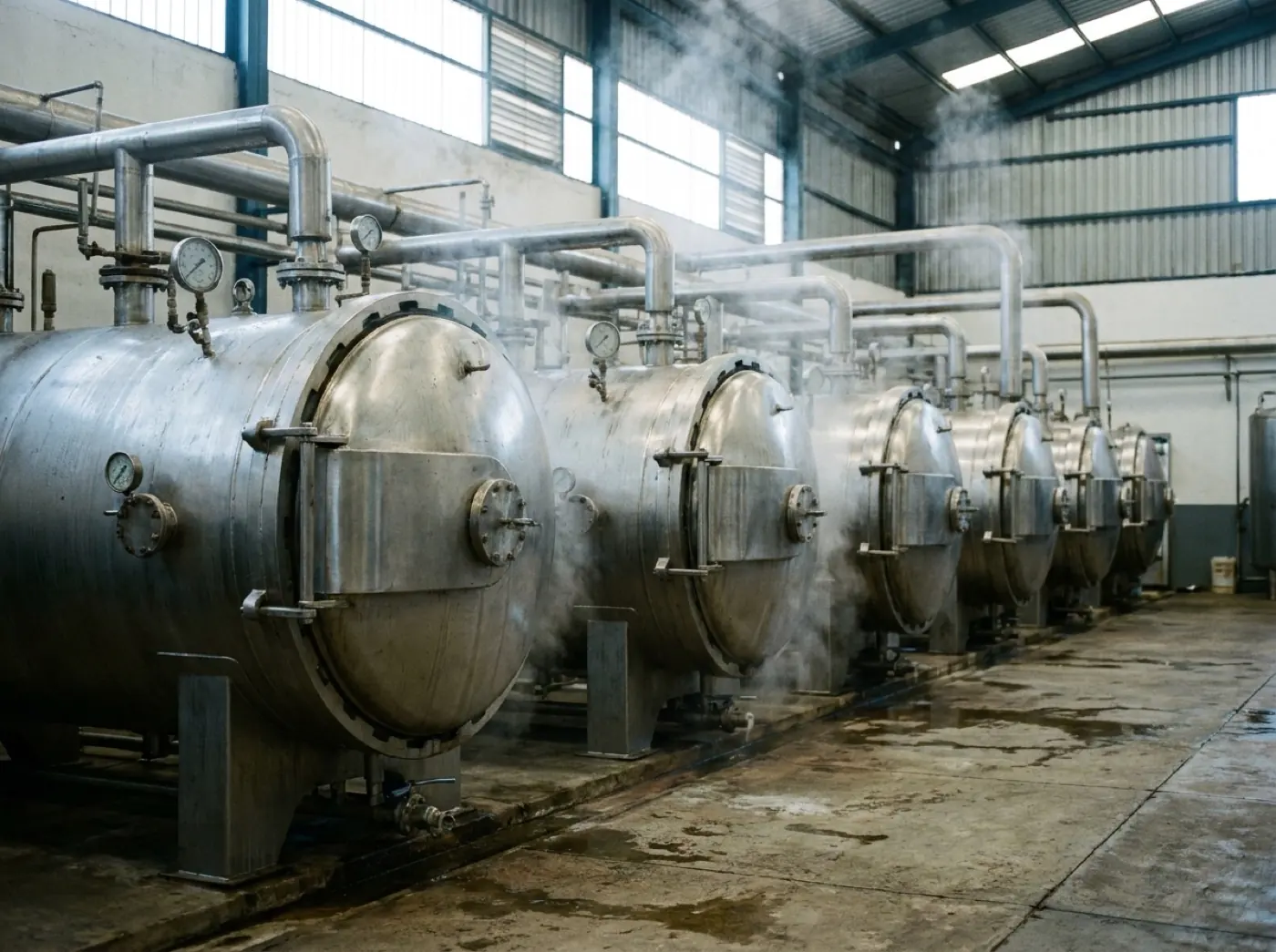
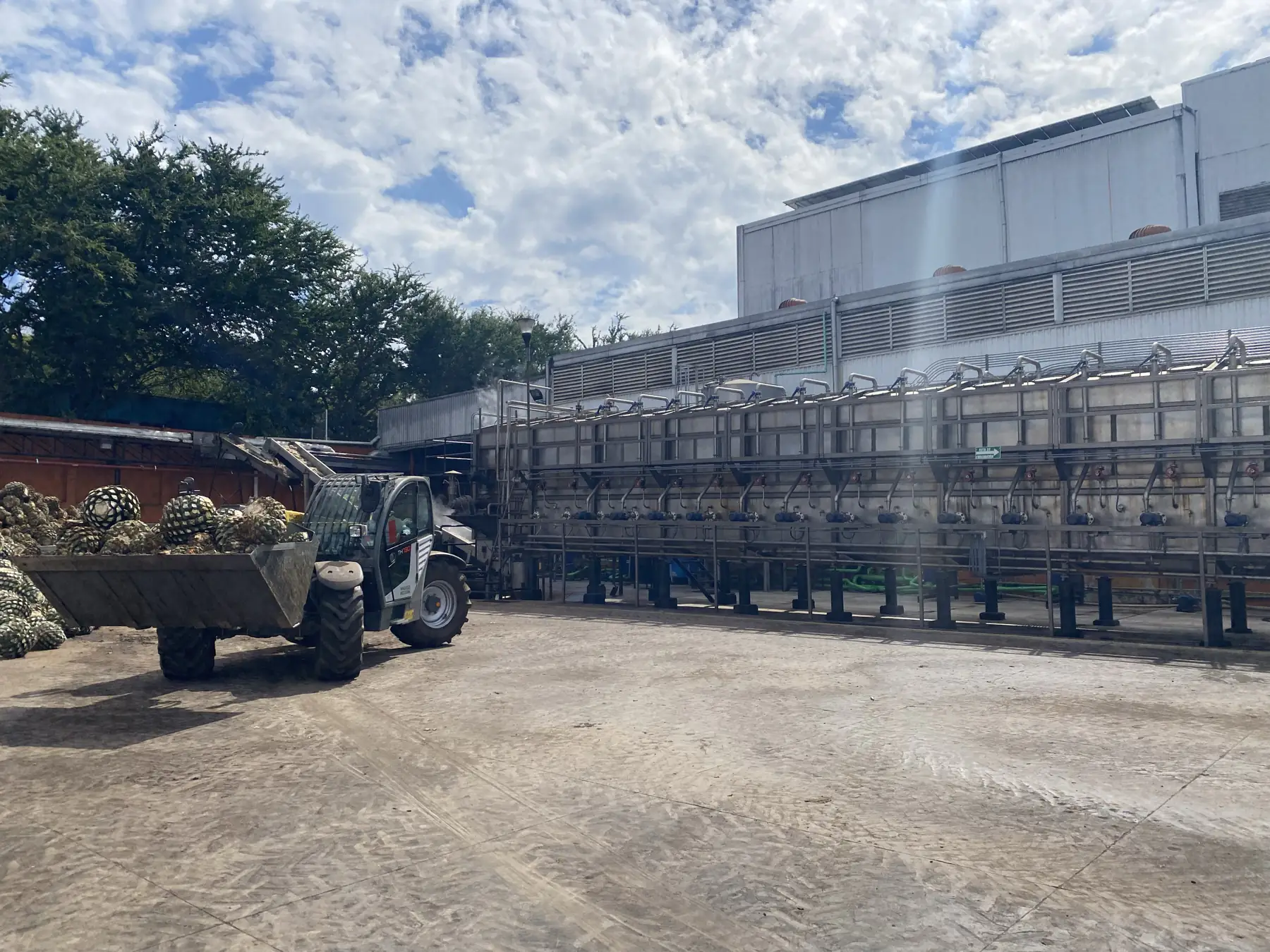
Twenty-four to forty-eight hours of slow, dry heat. The sugars caramelise: cooked agave, baked sweetness, spice. Two days, plus one to cool.
Steam under pressure, eight to fourteen hours. Cleaner and more vegetal, less caramel — and far more predictable batch to batch. Under a day.
Part of the batch cooked slowly in masonry ovens, part run through the diffuser, then blended. You keep the caramel and the body of the oven and gain the consistency and the clean top notes of the diffuser. This is what Serie 1 does.
Hot water and acid pull the sugars straight out of shredded raw agave. Very high yield, very light profile. Hours.
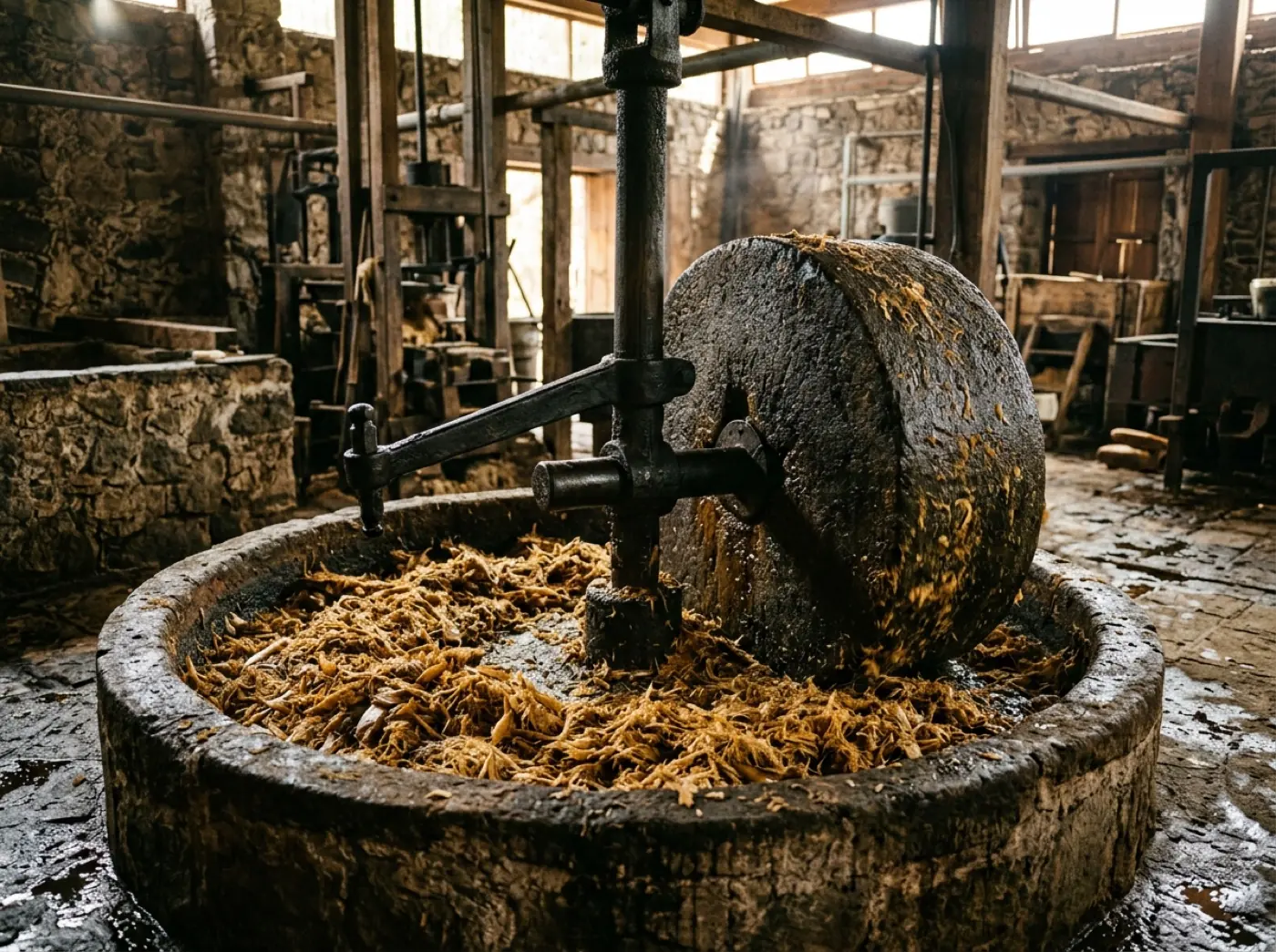
A volcanic stone wheel crushes fibre and juice together, and the fibre travels on into the ferment. Texture, earth, weight. Slow by design.
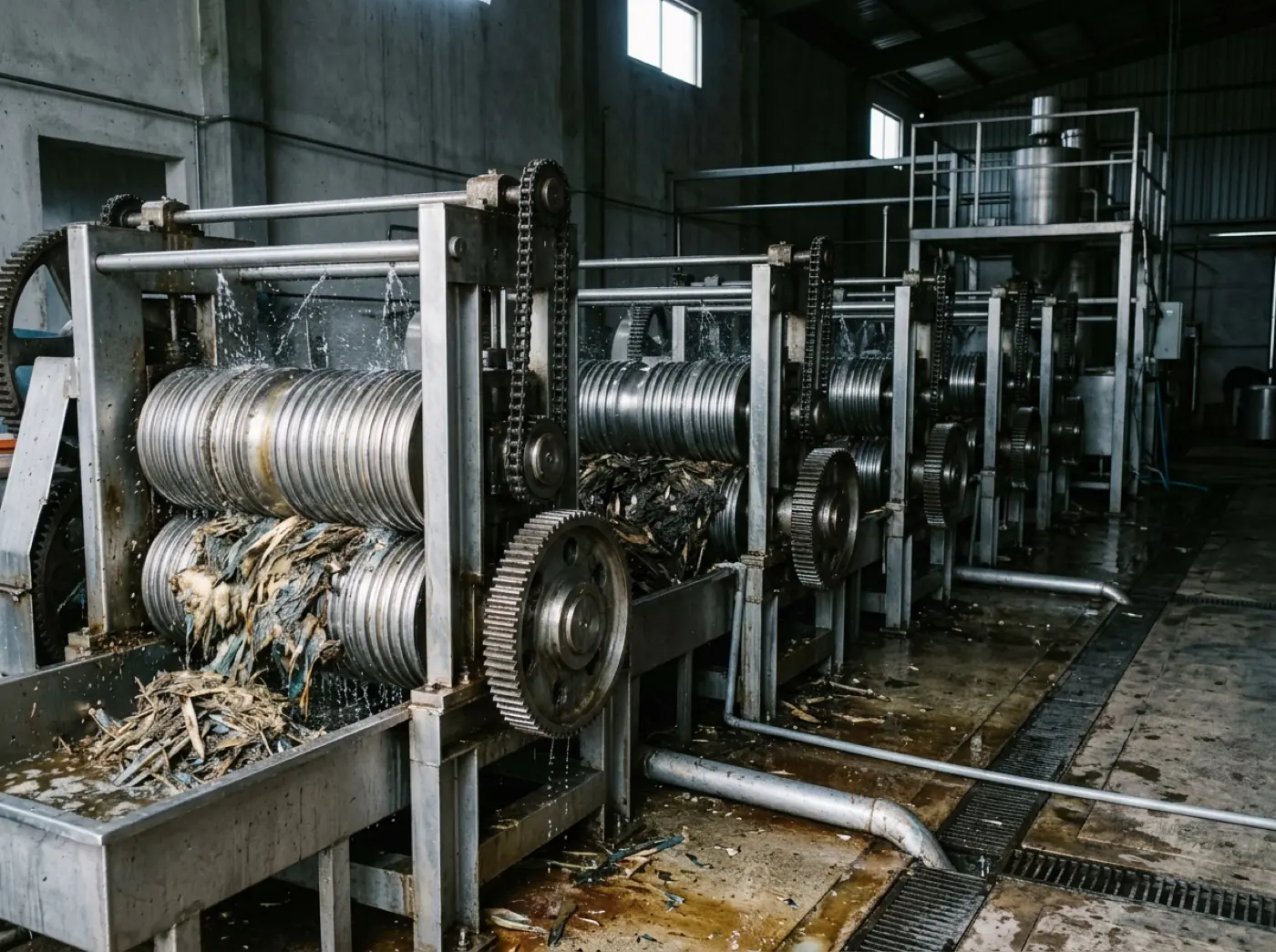
Mechanical rollers wash the sugars out of the fibre. Efficient and clean — here the fermentation decides more than the mill does.
The same diffuser, now doing the extraction. The highest yield in the category and the lightest hand on character.
The bagasse stays in the vat and wild yeast does the work. More agave, more herb, and more variation from one batch to the next.
Juice only, with a selected house yeast. Cleaner, fruitier and repeatable — the same tequila in March and in November. What Sapiens does.
Copper strips sulphur and rounds the edges. Softer, sweeter, more integrated — the classic route.
Stainless keeps more of the raw material intact: greener, sharper, more assertive. It hides nothing, including mistakes.
Blend distillation: pot stills and a column with copper plates, married afterwards. The roundness of the pot with the cleanliness of the column. This is what Serie 1 does.
Continuous distillation. Lighter, cleaner, less agave — and the most efficient route to a smooth blanco.
The series
One agave, one distillery, one Master Tequilero — and a line of blancos in which exactly one variable moves at a time. When only one thing changes, the difference is not a story we tell you. It is the product.
Route 01
Masonry oven, tahona, fibre in the ferment, copper pot twice. The most traditional route available, and the heaviest, earthiest glass of the set.
Route 02
Oven and autoclave, roller mill, clean ferment with house yeast, copper and column blended. Balance on purpose — this is Sapiens Blanco Serie 1, the one you can buy today.
Route 03
Diffuser, column, clean ferment. The lightest and most efficient route in the category — served blind, next to the others, with nothing hidden about how it was made.
The Blanco Series is a concept in development. The three routes above describe the idea, not a catalogue: only Sapiens Blanco and Sapiens Ahumado are in the market today.
Where it changes most
Everything before the oven protects the plant. Everything after it protects the cooking. If you only change one variable in the whole process, change this one — it is the step you will taste first and remember longest.
Hover or tap a method to see it.
The quiet half
Extraction and fermentation are the two steps nobody photographs and everybody tastes. Whether the fibre stays in the vat, and which yeast eats the sugar, will move a tequila further than most people expect.
Hover or tap a method to see it.
Before any of it
Two fields inside the same appellation, ninety minutes apart, growing the same Agave tequilana Weber. They do not arrive at the distillery the same.
Denominación de Origen
Tequila can only be made in Jalisco and in a handful of municipalities of Nayarit, Guanajuato, Michoacán and Tamaulipas. Everything else is agave spirit, and that is a legal fact rather than a judgement of taste.
Inside Jalisco, two zones do most of the arguing: the Valles around the Tequila Volcano, and Los Altos to the east of Guadalajara.
Schematic map, not to scale.
Volcanic soil around the Tequila Volcano, lower and warmer. Smaller piñas, quicker to mature, and a spirit that leans herbal, peppery and mineral, with a dry stony finish. This is where Sapiens is made.
Iron-red earth at altitude, cooler nights. Bigger and sweeter piñas, and a spirit that leans citrus, cooked fruit and flower, rounder in the mouth. Same denomination, different conversation.
Neither is the correct answer. Blind, most people prefer one clearly over the other — and they are surprised by which one.
We are not going to tell you which route is better. We are going to make sure you can taste them side by side, know exactly what changed between one glass and the next, and reach your own conclusion.
That is the whole reason the brand is called Sapiens. Not because we know more than you — because we would rather hand you the evidence than the verdict.